Next - Generation Cancer Organoids (Five Figures)
The enclosed Figures and Schematics were published in a manuscript submitted in Nature Materials (2021). The work described current and next-generation synthetic matrix platforms for the development of consistent organoid culture systems, as well as their current limitations and spaces for improvement.
As per requirements of the publisher, these figures were re-drawn by in-house editors from Nature prior to final publication.
The figures can be seen here in their final published format: https://www.nature.com/articles/s41563-021-01057-5?proof=tr
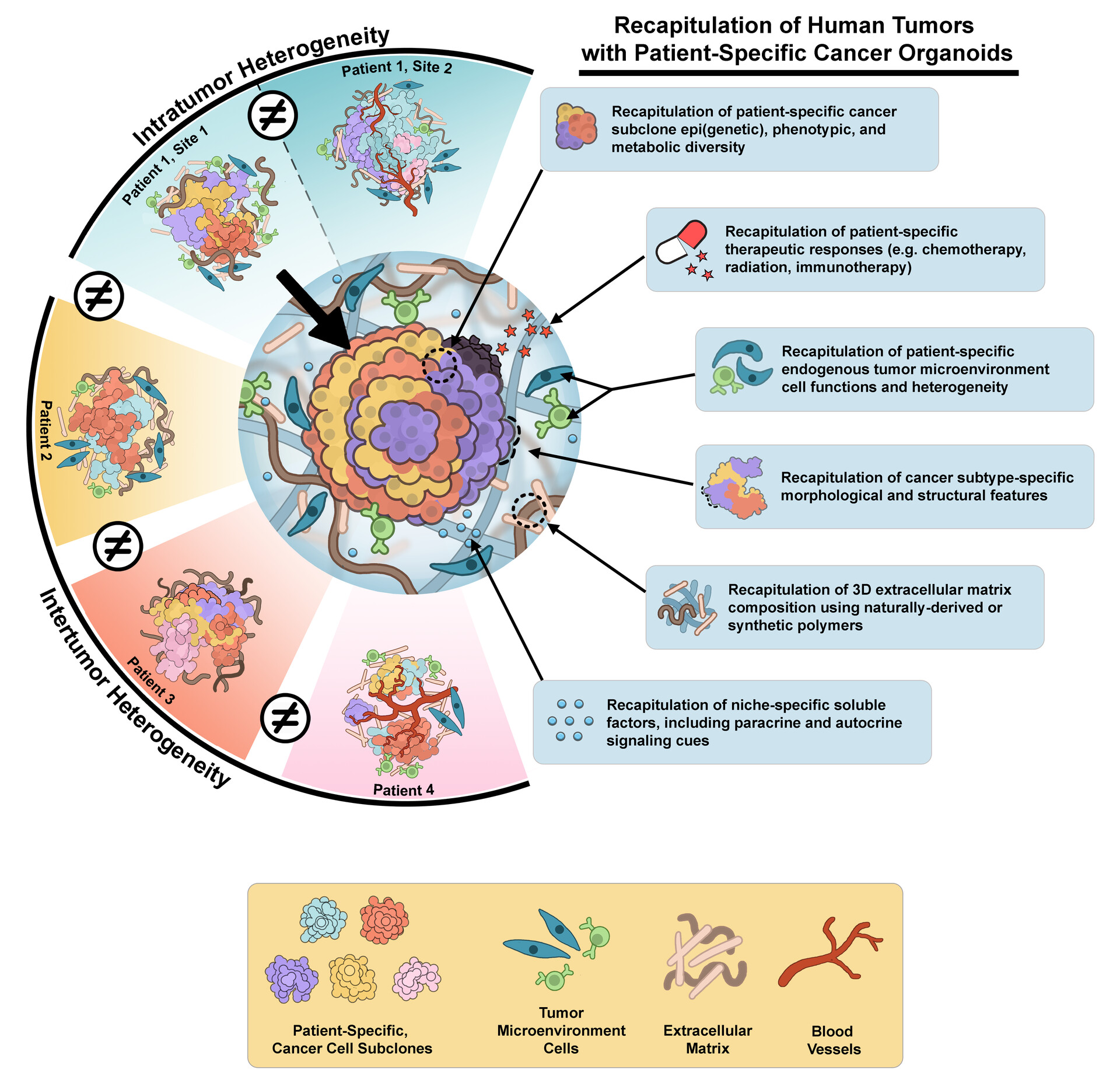
Figure 1: Cancer organoids recapitulate defining characteristics of patient-specific tumor heterogeneity.
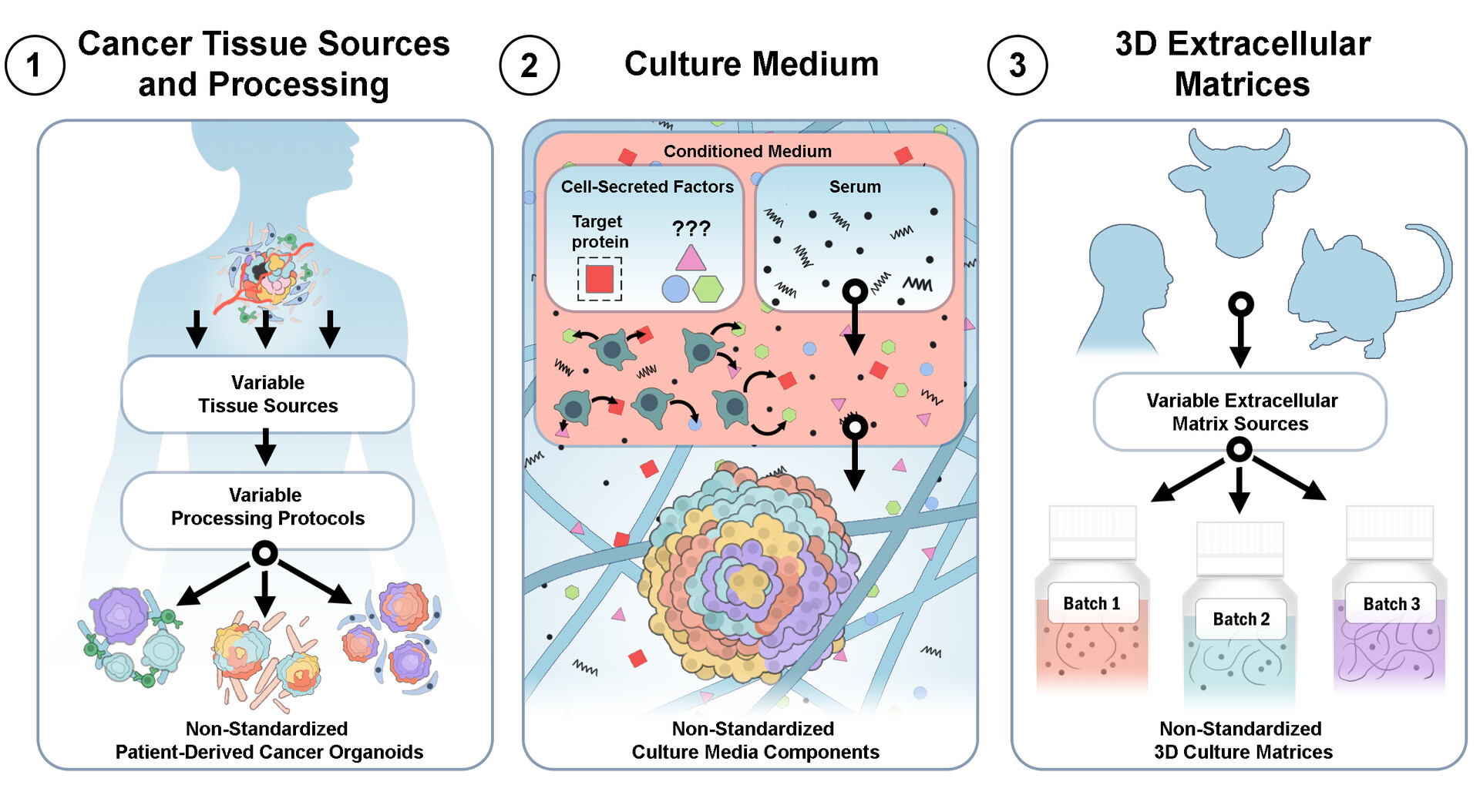
Figure 2: Current techniques for cancer organoid culture introduce technical variability into biologically heterogeneous cultures.
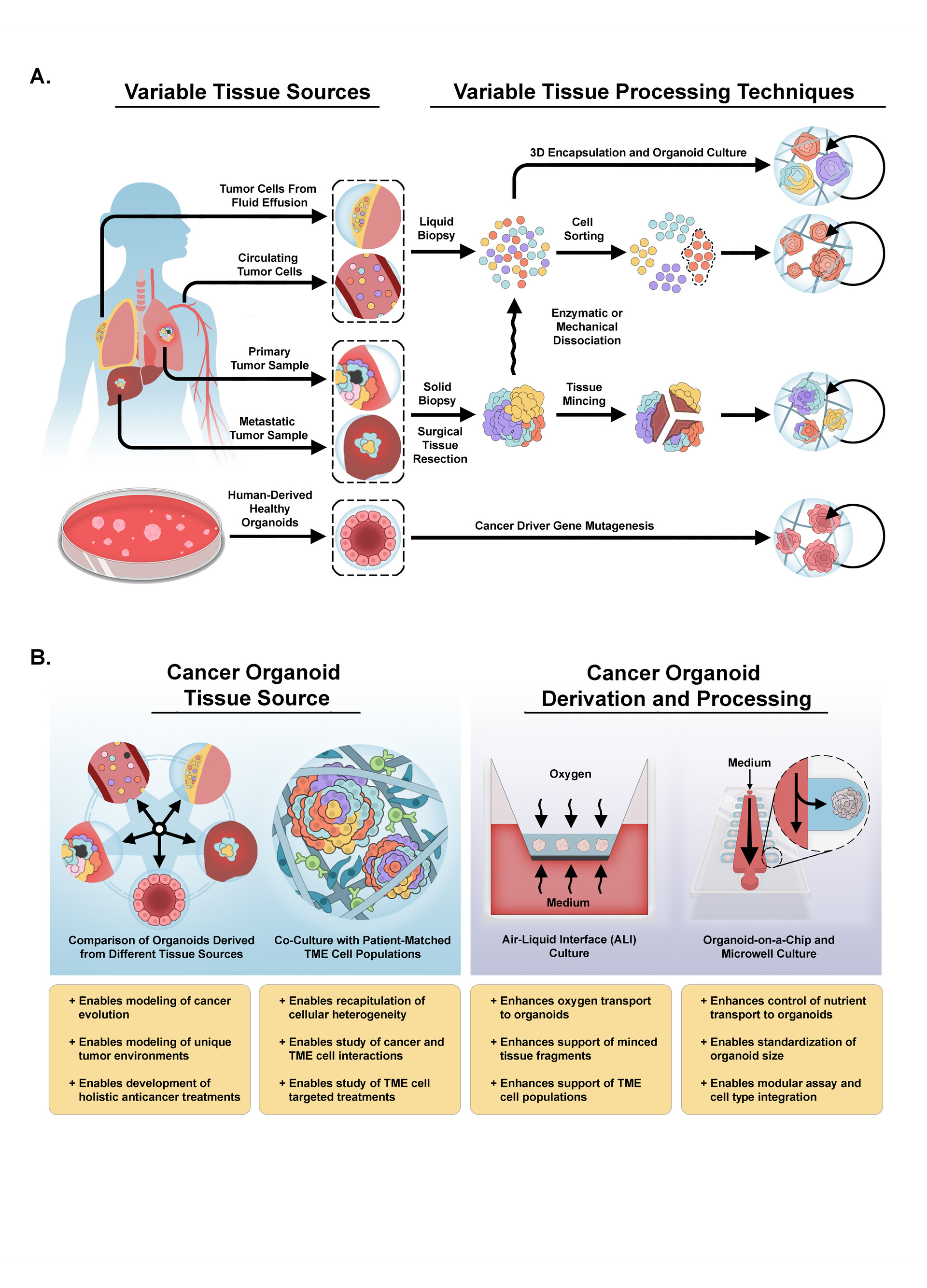
Figure 3: Patient-specific cancer organoid derivation is limited by non-standardized methods of tissue procurement and processing.
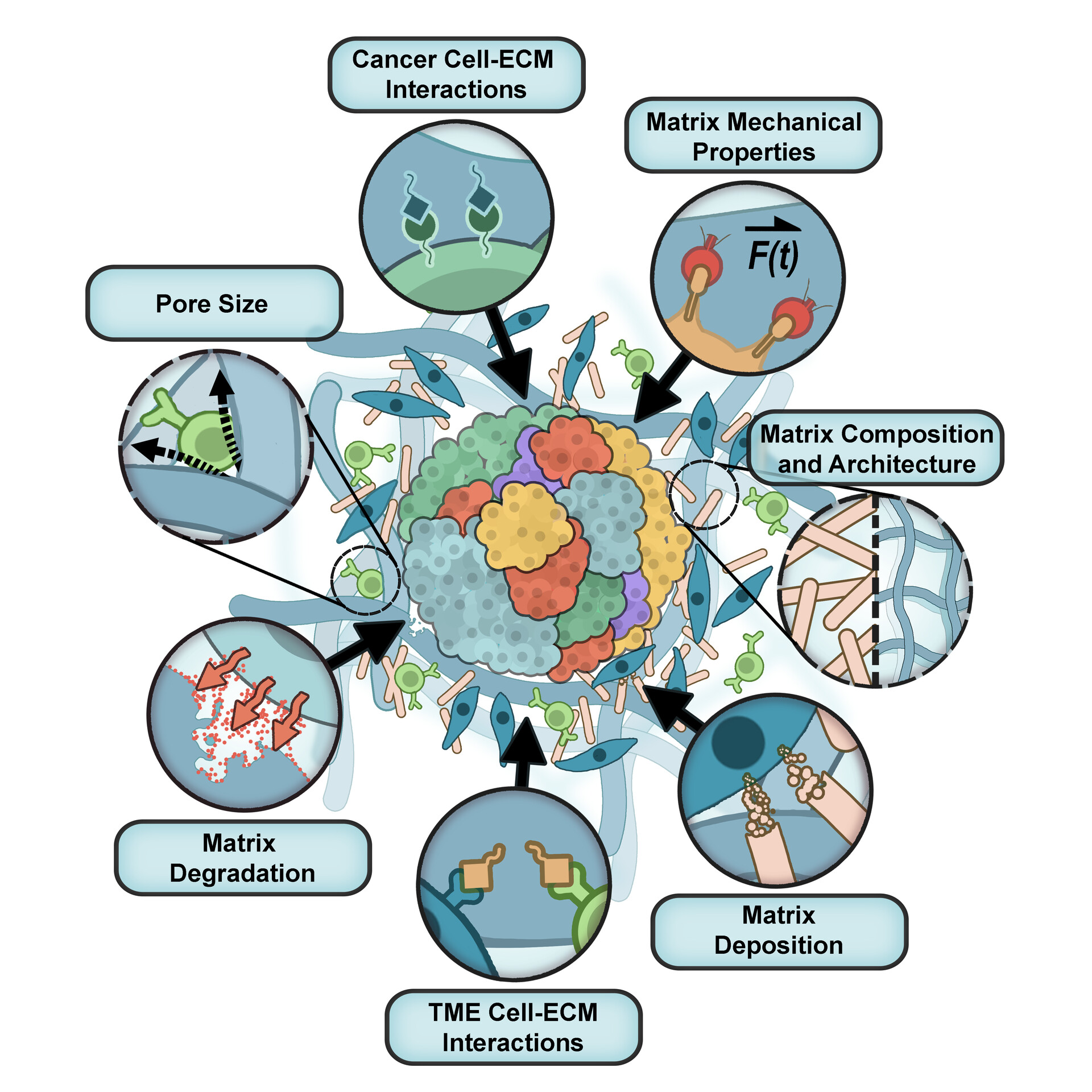
Figure 4: The ECM influences cancer organoid phenotype through several biochemical and mechanical interactions.
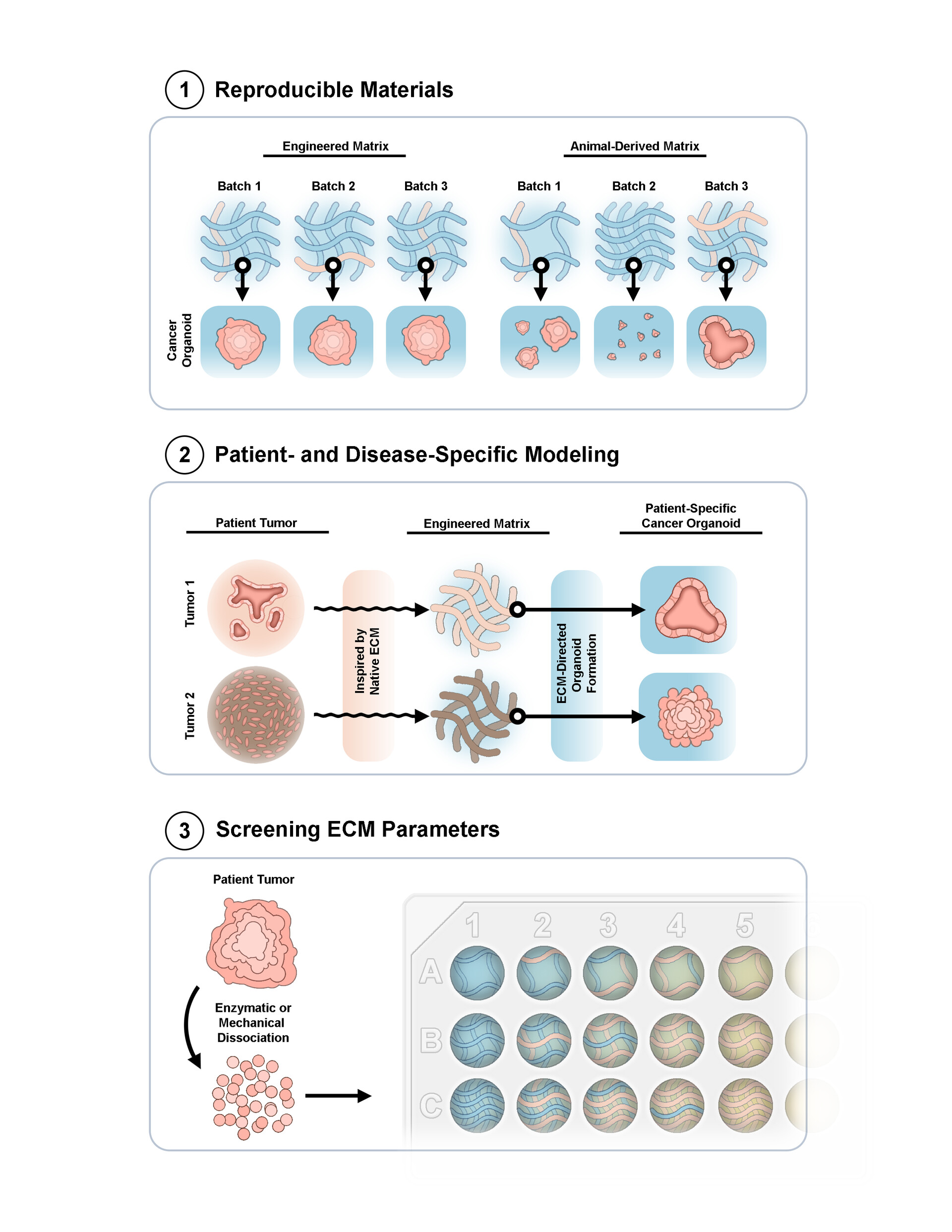
Figure 5: Engineered matrices for standardizing cancer organoid models.